In today’s internet-driven world, a domain name is more than just a web address; it’s a crucial identifier and a valuable digital asset for businesses and individuals alike. However, with increasingly sophisticated cyber-attacks, domain names are also susceptible to various security threats. Understanding these threats and taking effective preventative measures is vital for safeguarding your website, data, and even your brand’s reputation.
Common Domain Security Threats
Domain Hijacking
Domain hijacking occurs when an attacker illicitly modifies a domain’s registration records, redirecting users who intend to visit your legitimate website to a malicious site controlled by the attacker. It’s akin to someone changing your mailbox address, causing your mail to be delivered to the wrong place. Domain hijacking not only prevents users from accessing your site but can also be used to spread malware, steal user data, and severely damage your brand image and user trust.
DNS Poisoning
DNS poisoning (or DNS cache poisoning) happens during the DNS resolution process. When a user requests to resolve a domain name, their local DNS server queries global DNS servers. If an attacker can successfully interfere with this process and return a fraudulent IP address, the user’s browser will connect to the wrong server. Unlike domain hijacking, DNS poisoning usually occurs at an intermediate network level; once a user’s local DNS cache is “poisoned,” they won’t be able to access the correct website, even if the domain registrar’s records are accurate.
Phishing Attacks
Phishing attacks are a form of social engineering where attackers typically create a website that closely mimics your official one. They then try to trick users into visiting this fake site via emails, SMS, or other social media platforms. Once users enter their login credentials or other sensitive information on the counterfeit site, that information is stolen by the attacker. Domain names are a key component of phishing attacks, as attackers often register “lookalike” domains that are very similar to legitimate ones to deceive users.
How to Prevent Your Domain from Being Stolen
Having your domain stolen is every website owner’s nightmare, but fortunately, several methods can significantly reduce this risk:
Strong Passwords
This is the most basic yet crucial step. Set a strong password for your domain registrar account, incorporating uppercase and lowercase letters, numbers, and special characters, and ensuring it’s sufficiently long. Avoid using easily guessable passwords like birthdays, phone numbers, or common words. Regularly changing your password is also a good practice.
Two-Factor Authentication (2FA)
Two-factor authentication adds an extra layer of security to your account. Even if an attacker somehow obtains your password, they won’t be able to log in without the second authentication factor (e.g., a verification code sent to your phone or a fingerprint scan). Almost all major domain registrars offer 2FA, and it’s highly recommended to enable it.
Domain Lock
Domain Lock (or Registrar Lock) is an important security feature. When enabled, it prevents unauthorized domain transfers and modifications to registration information. Without your explicit authorization, no one (including yourself) can change your domain’s registration details or transfer it to another registrar. You can temporarily unlock your domain when you need to make changes or transfer it.
What is an SSL Certificate?
In the internet, the security of data transmission is paramount. An SSL Certificate (Secure Sockets Layer Certificate) is a key technology that ensures this security.
An SSL certificate is a digital certificate that establishes an encrypted link between your website’s server and a user’s browser. When your website has an SSL certificate installed, the browser’s address bar will display a small padlock icon, and the website address will begin with HTTPS (Hypertext Transfer Protocol Secure) instead of HTTP.
Why Does Your Website Need HTTPS?
- Data Encryption: HTTPS encrypts all data transmitted between the user and your website, including login credentials, personal information, credit card numbers, etc. This effectively prevents data from being intercepted or tampered with during transmission, protecting user privacy and security.
- Increased Trust: Modern browsers commonly display security warnings for websites without HTTPS, alerting users to an “unsecure connection.” This significantly erodes user trust in your website. HTTPS, conversely, signals to users that your site is secure and trustworthy, helping to build a positive brand image.
- Search Engine Optimization (SEO): Major search engines like Google have clearly stated that HTTPS is an important ranking factor. Websites with HTTPS receive higher权重 in search results, helping to improve website visibility and traffic.
- Compliance Requirements: For websites that handle sensitive user information (e.g., e-commerce, finance, healthcare), using HTTPS is often a part of compliance requirements, to meet data protection and privacy regulations.
Brand Protection: Registering Related Domains to Build a Brand “Moat”
Beyond defending against common security threats, proactive brand protection is an indispensable part of any domain strategy. This is like building a “moat” around your brand.
Registering Related Domains
This means you should not only register your primary domain (e.g., yourbrand.com) but also consider registering the following types of related domains:
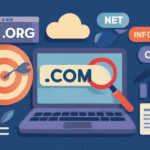
- Different Top-Level Domains (TLDs): For example, if your primary domain is
.com, consider registering common TLDs like.net,.org,.cn,.io, etc., to prevent competitors or malicious actors from squatting on them. - Common Misspellings or Variations: Users might make typos when entering a website address. Registering common misspellings can redirect these users to your correct website, preventing traffic loss and exploitation by others.
- Domains Containing Brand Keywords: Registering domains that include your brand name or core product keywords can help enhance brand exposure and prevent others from using these keywords for unfair competition.
- New Generic Top-Level Domains (gTLDs): As new gTLDs continue to become available, you might also consider registering industry-specific or thematic gTLDs relevant to your brand, such as
.tech,.shop,.app, etc.
By registering these related domains, you can effectively:
- Prevent Brand Infringement: Stop malicious squatters from using domains similar to your brand for phishing, scams, or other illegal activities.
- Protect Against Traffic Loss: Even if users type in the wrong domain, they can be directed to your official website.
- Strengthen Brand Image: Occupy more online space related to your brand, enhancing your brand’s authority and reach in users’ minds.
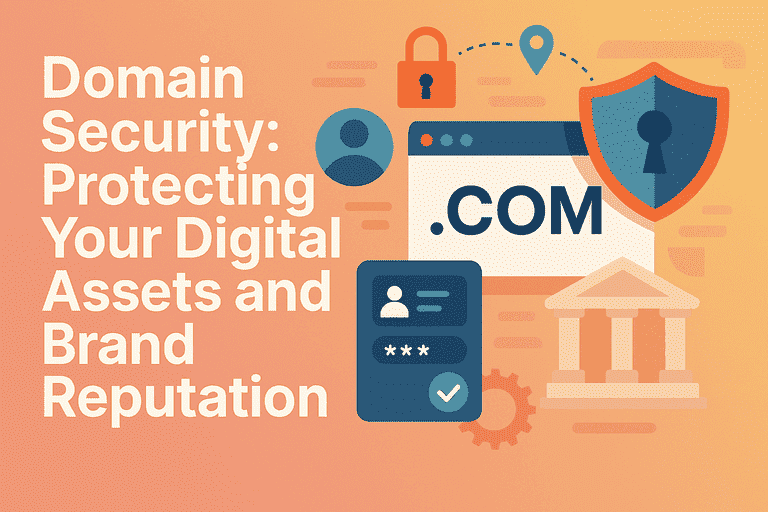
Domain security is an ongoing process that requires vigilance and regular review and updates to your security strategy. From enabling strong passwords and two-factor authentication to ensuring your website uses HTTPS and proactively registering related domains, each step contributes to building a more secure online environment and a stronger brand moat. Protecting your domain means protecting your digital assets and future growth.